
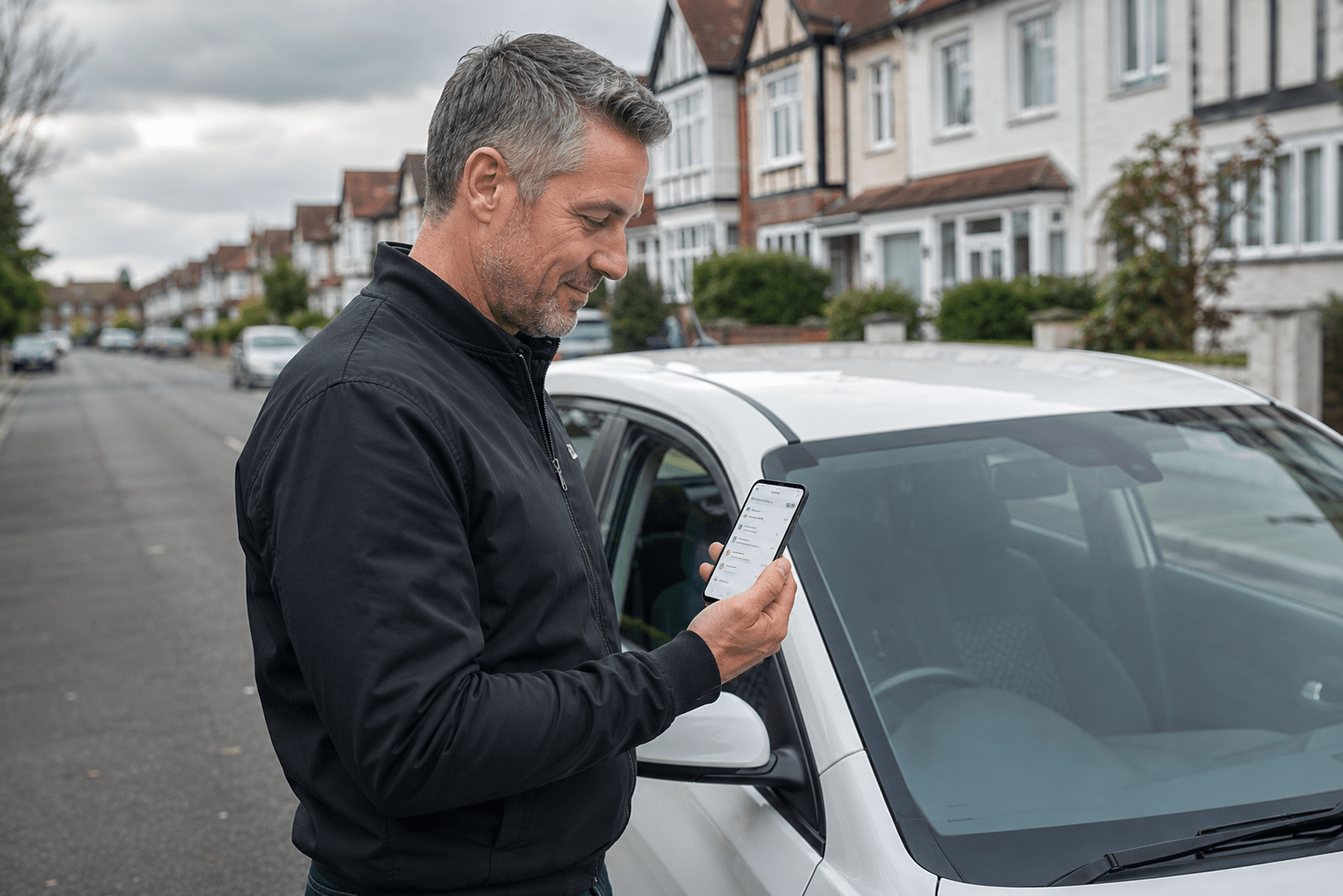
Why the DVSA’s 2026 Rule Changes Make Your Online Presence More Important Than Ever
The biggest shake-up to the UK driving test booking system in years landed in spring 2026 — and if you’re an approved driving instructor, you’ll already know the headline. From 12 May 2026, it became illegal for anyone other than the learner themselves to book, change, or cancel a car driving test. That includes you. The job you may have been doing on behalf of your pupils for years has now passed permanently to them.
Most of the conversation around these changes has focused on the practical logistics — how swaps work, what the two-change limit means, which test centres learners can move to. All of that matters. But there’s a much bigger implication hiding underneath it that very few ADIs are talking about yet, and it’s one that directly affects how you attract and retain pupils.
What’s Changed: The Quick Version
To make sure we’re working from the same facts: from 31 March 2026, learners can only make two changes to a test booking, down from six. From 12 May 2026, only the learner can book, manage, or cancel their own test — instructors lost that access entirely. From 9 June 2026, any test centre move is restricted to the three nearest centres to the original booking location.
The changes are designed to tackle two things simultaneously: the ongoing test backlog — which sat at an average of 22 weeks nationally, with some urban centres showing waits beyond 24 weeks and over 600,000 learners in the system at any one time — and the abuse of the booking system by bots and third-party resellers who were snapping up test slots and selling them on at prices nearly eight times the official DVSA fee.
That’s the context. Here’s the part instructors need to pay attention to.
Learners Are Now Researching You Before They Even Make Contact
Under the old system, an instructor could receive a referred pupil, take them on, manage their learning journey, and book their test — all without the learner needing to do much independent research at all. The process was largely managed for them.
That’s no longer how it works. When a learner books their own test today, they need your ADI reference number. To get it, they have to actively seek you out, look you up, satisfy themselves that you’re the right choice, and then use your number to link their booking to you. That’s a sequence of deliberate, independent decisions — and every single one of those decisions is shaped by what they find when they search for you online.
Even a referral from a friend now comes with independent verification. Someone might be told about you by a former pupil, but before they get in touch, the overwhelming majority will search your name, look at your Google listing, read your reviews, and make a judgment about whether you’re who they want to teach them. Your reputation used to travel through conversations. Now it travels through search results.
600,000 Learners Are in the System — and They’re All Looking Online
Despite the backlog, demand for driving instruction in the UK has never been higher. More than 600,000 learners are currently waiting for a practical driving test. Examiner numbers are at their highest since 2018, and the DVSA delivered over 158,000 additional tests between June 2025 and March 2026 alone — yet waiting times are still expected to remain above the 7-week target until at least the end of 2027.
That’s not bad news for instructors — it means there is no shortage of people who need lessons. What it does mean is that there are also a lot of instructors competing for those people’s attention. The learners who are searching for an ADI in your area right now will find the instructors with the strongest online presence first. They’ll book with the ones who look most credible and professional when they look them up. The quality of your teaching, your pass rate, your years of experience — none of it reaches them if you’re not visible in the first place.
Longer Pupil Cycles Mean You Need a Stronger Pipeline Than Ever
The test backlog also creates a financial pressure that’s easy to miss. With average waiting times of 22 weeks and first-time pass rates sitting at around 48%, the reality for many instructors is that a pupil who starts lessons today might not complete their journey for the better part of a year — and some will need to requeue after a failed test, extending that even further.
That’s a lot of teaching time invested in a relatively small number of pupils. The instructors who maintain a healthy income through this period are those who keep a consistent flow of new enquiries coming in, not just those who hold on to existing pupils. Your online presence is the infrastructure that keeps that pipeline active — it’s working to attract new enquiries while you’re in the car with someone else.
An instructor who relies on word of mouth during a period like this is dependent on how many pupils happen to pass in a given month and how many of those actively recommend them. An instructor with a ranking website and a well-maintained Google Business Profile is generating enquiries independently of all of that.
The One Thing You Can Still Control
The 2026 changes have taken a number of things out of instructors’ hands — test booking, change management, scheduling oversight. That’s a real shift in how the industry works, and it’s not reversing.
What hasn’t changed is your ability to control how you appear online, how visible you are in local search results, and how professional and credible you look to a learner who’s deciding whether to get in touch. Your Google Business Profile, your website, your reviews — those belong to you and they do exactly the work that the current landscape demands.
We’ve covered a number of these topics in more detail on the GYDS blog, but the short version is this: the instructors who invest in their online presence now are building an asset that gets more valuable as the landscape keeps shifting. The ones who don’t are increasingly dependent on a referral network that’s becoming less reliable as the way learners find instructors continues to change.
How We Can Help
At Grow Your Driving School, everything we do is built around one goal: keeping your enquiries consistent and your diary full. We work exclusively in the UK driving instructor market, which means we understand your audience, your industry, and the specific things that make a learner choose one ADI over another.
Here’s what we offer:
- Custom WordPress Website Design — Built from scratch around your school, your location, and the search terms your future pupils are actually using. No templates, no shortcuts.
- Local SEO — Everything needed to get your website ranking in local search results for the areas you teach in, and keep it there.
- Google Business Profile Management — Setup, optimisation, and ongoing management of your GBP so you’re visible where learners are most likely to be looking.
- Social Media Management — Regular, professionally produced content that keeps your profiles active and your brand visible to the right audience.
- Google & Meta Paid Advertising — Targeted campaigns built with a proper funnel behind them, for instructors who want to accelerate their enquiry volume.
- Printed Materials — Business cards, flyers, and branded materials that support your wider marketing and reinforce your professional image.
Our monthly packages start from £45/month (Push) and £75/month (Boost), with custom packages available for larger scope or multi-site operators. Every engagement starts with a free Visibility Audit so you know exactly where you stand before any decisions are made.
Find out more about our services and book your free Visibility Audit here.